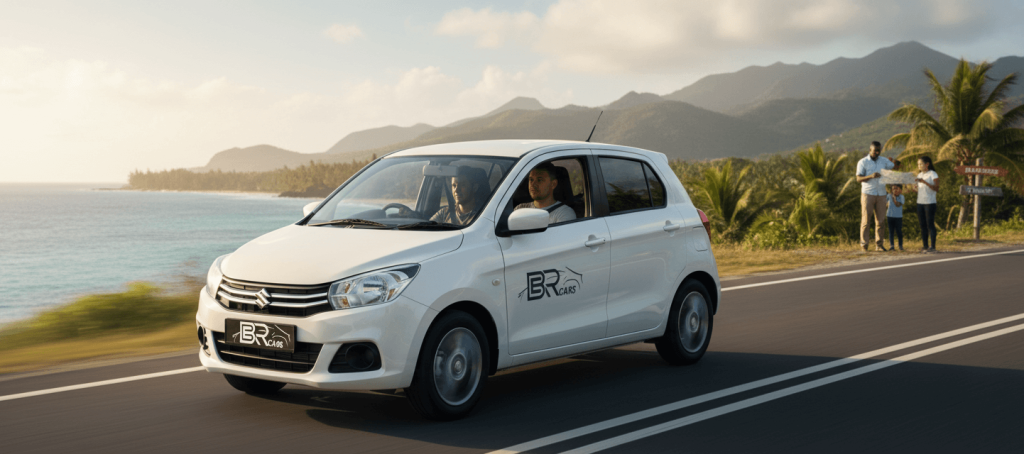
Mauritius is one of the most popular island destinations in the world, known for its white-sand beaches, turquoise lagoons, rich culture, and warm hospitality. Whether you are visiting for the first time or returning for another stay, being well-prepared will help you enjoy the island to the fullest.
This guide covers everything tourists need to know about Mauritius – from travel tips and local customs to transportation, safety, and practical advice.
1. Where Is Mauritius and Why Visit?
Mauritius is a tropical island located in the Indian Ocean, east of Madagascar. It is famous for:
- Stunning beaches and lagoons
- Mountain landscapes and nature parks
- A multicultural society
- Excellent food and welcoming locals
Mauritius is ideal for couples, families, solo travelers, and business visitors.
2. Best Time to Visit Mauritius
Mauritius enjoys a warm climate all year round.
- May to November: Cooler and drier (best for sightseeing and outdoor activities)
- December to April: Warmer and more humid (perfect for beaches, but with occasional rain)
Tourists can visit Mauritius at any time of the year depending on their travel preferences.
3. Entry Requirements and Travel Documents
Most visitors do not need a visa for short stays. Upon arrival, tourists are generally required to present:
- A valid passport
- A return or onward ticket
- Proof of accommodation
Always check current entry requirements before traveling.
4. Getting Around the Island
Mauritius is a small island, but attractions are spread across different regions. Transportation options include:
- Taxis
- Public buses
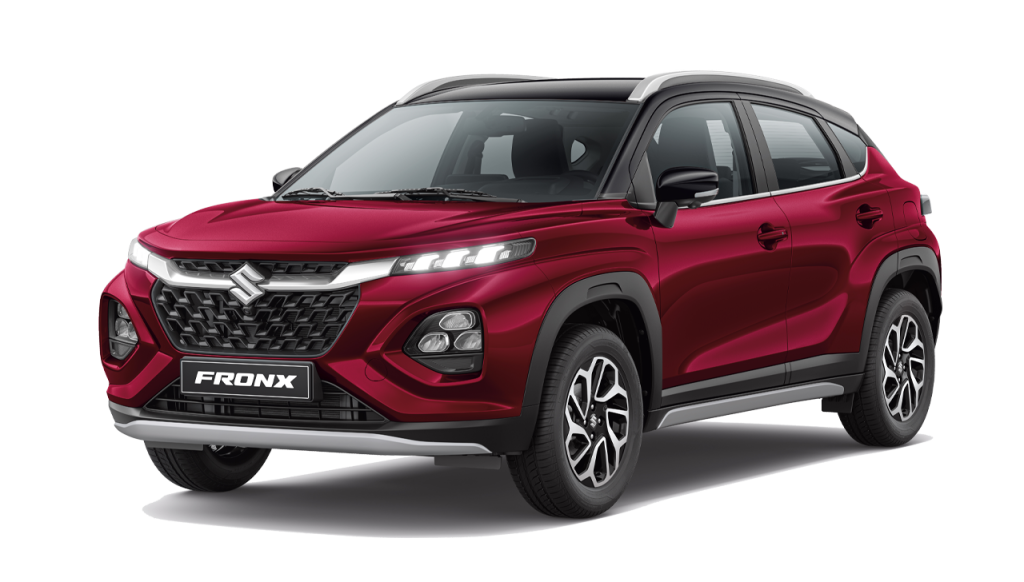
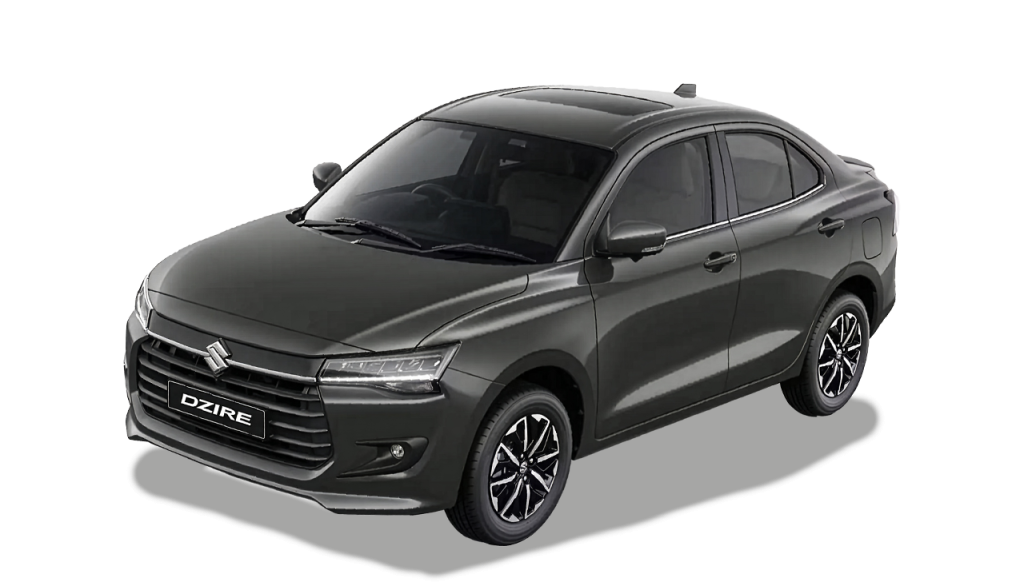
- Rental cars
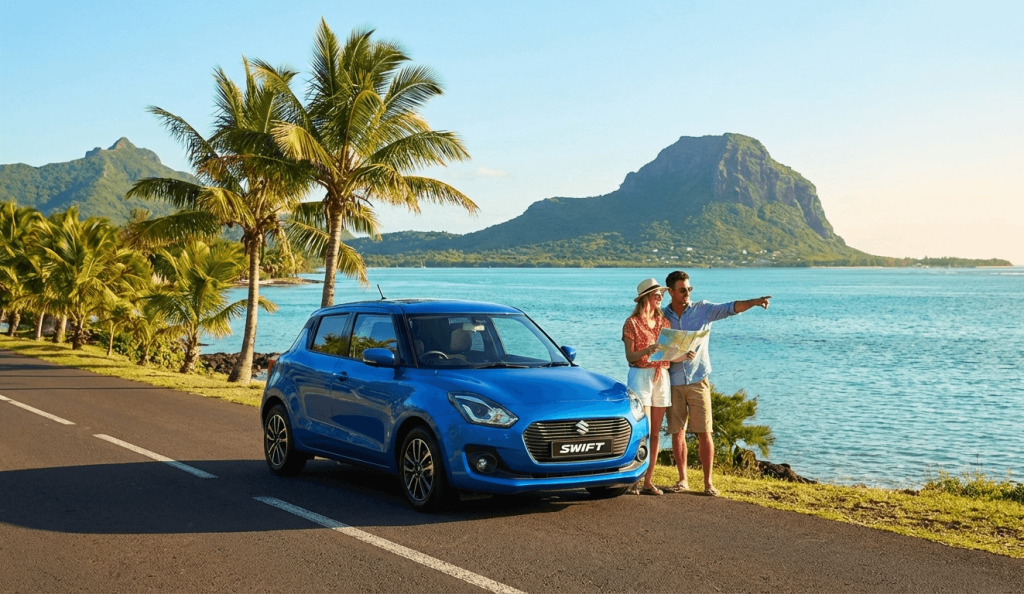
🚗 Renting a car is one of the most convenient ways to explore Mauritius, offering flexibility, comfort, and time savings. With a car, tourists can visit beaches, nature parks, villages, and attractions at their own pace.
5. Driving in Mauritius
Tourists should know that:
- Driving is on the left-hand side
- Roads are generally well-maintained
- Speed limits are clearly marked
- English and French road signs are widely used
Most visitors can drive using their home country’s driving licence.
6. Culture, Language, and Local Customs
Mauritius is a multicultural island with influences from Africa, Europe, India, and Asia.
- Languages commonly spoken: English, French, Creole
- People are friendly and respectful
- Modest dress is recommended when visiting religious sites
Understanding and respecting local culture enhances the travel experience.
7. Food and Cuisine
Mauritian cuisine is a highlight for many visitors. It blends Indian, Creole, Chinese, and European flavors.
Popular dishes include:
- Dholl puri
- Rougaille
- Biryani
- Fresh seafood
Street food is safe and widely enjoyed when bought from reputable vendors.
8. Safety and Health Tips
Mauritius is considered a safe destination for tourists. Basic precautions include:
- Avoid leaving valuables unattended
- Follow road safety rules
- Stay hydrated in the tropical climate
Medical facilities are accessible, and pharmacies are widely available.
9. Currency and Payments
- Currency: Mauritian Rupee (MUR)
- Credit cards are widely accepted
- ATMs are easily accessible
It is advisable to carry some cash for small purchases.
10. Why Local Knowledge Matters
Choosing local services – including car rental companies – adds value to your stay. Local professionals offer:
- Honest advice
- Personalized service
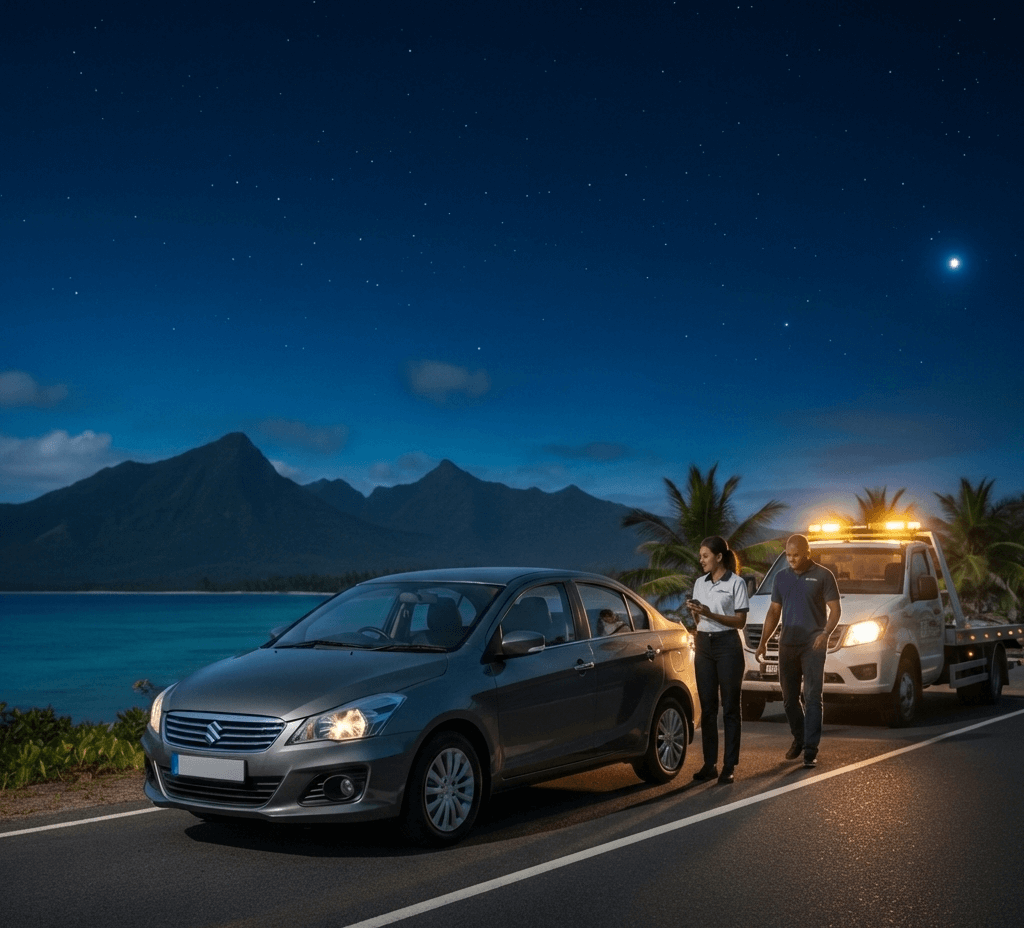
- Better understanding of road conditions and tourist needs
This ensures a smoother and more enjoyable experience.
Final Tips for Tourists Visiting Mauritius
- Plan your itinerary but stay flexible
- Rent a car for freedom and comfort
- Respect local customs
- Take time to explore beyond tourist areas
Mauritius is more than a beach destination – it is an island full of culture, nature, and unforgettable experiences.